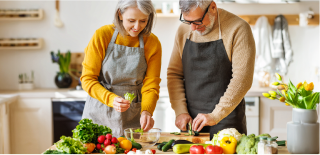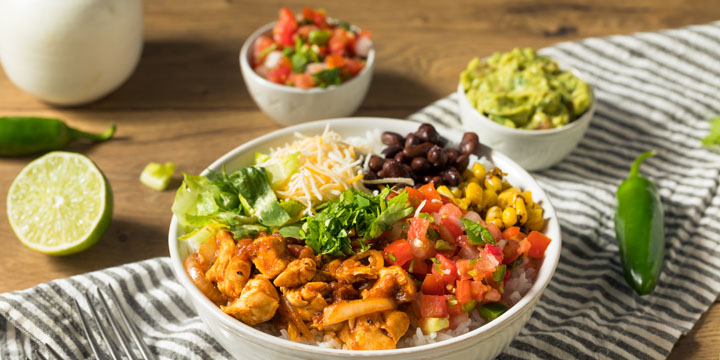
Nourish bowls—sometimes called grain bowls or power bowls—are one of the most adaptable meals for people living with diabetes. Built around a balance of protein, fibre-rich carbohydrates, healthy fats, and colourful vegetables, they offer structure without rigidity. With a few smart choices, nourish bowls can support steadier blood sugars while still being satisfying and enjoyable.
Why Nourish Bowls Work Well for Diabetes
At their best, nourish bowls naturally align with evidence-based diabetes nutrition principles:
- Balanced macronutrients help slow digestion and reduce post-meal glucose spikes.
- High fibre content supports gut health and improves post-prandial glucose control.
- Portion awareness is easier when ingredients are visible and intentionally layered.
- Flexibility allows people to adapt bowls for cultural preferences, budgets, and dietary needs.
Rather than focusing on restriction, nourish bowls emphasize addition—more vegetables, more texture, more nourishment.
The Diabetes-Friendly Nourish Bowl Formula
Think of your bowl in five simple components:
1. Non-Starchy Vegetables (½ the bowl)
These provide volume, fibre, and micronutrients with minimal impact on blood glucose.
Good options:
Leafy greens, roasted cauliflower, broccoli, Brussels sprouts, zucchini, peppers, mushrooms, cabbage, cucumbers, tomatoes
Tip: Mix raw and cooked vegetables for better texture and satiety.
2. Protein (¼ of the bowl)
Protein helps slow carbohydrate absorption and promotes fullness.
Good options:
Grilled chicken or turkey, eggs, tofu, tempeh, lentils, chickpeas, edamame, fish (salmon, trout, tuna), Greek yogurt–based sauces
Tip: Aim for a visible protein source rather than relying only on plant carbs for protein.
3. High-Quality Carbohydrates (¼ of the bowl)
Carbohydrates don’t need to be avoided, but quality and portion matter.
Good options:
Quinoa, barley, farro, steel-cut oats, brown or wild rice, sweet potato, beans, lentils
Tip: Start with ½ cup cooked and adjust based on glucose response and activity level.
4. Healthy Fats (Small but Important)
Fats improve flavour and help slow digestion.
Good options:
Avocado, olive oil, nuts, seeds, tahini, hummus
Tip: Measure when possible—healthy fats are nutrient-dense but calorie-dense.
5. Flavour Builders (Use Generously, Mindfully)
This is where bowls become crave-worthy.
Good options:
Fresh herbs, lemon juice, vinegar, garlic, spices, pickled vegetables, yogurt-based dressings
Tip: Watch sugary sauces; make your own or choose versions with little to no added sugar.
Smart Tips for Blood-Sugar Friendly Bowls
- Eat protein and vegetables first. This simple habit can reduce glucose spikes.
- Roast or sauté vegetables instead of frying. Less refined oil, better glucose impact.
- Use whole grains instead of refined grains. They digest more slowly and provide more fibre.
- Batch-cook components. Having pre-roasted vegetables and cooked grains on hand makes balanced meals easier.
- Use a glucose monitor or finger checks (if applicable) to learn which combinations work best for your body.
Diabetes-Friendly Nourish Bowl Recipes
Below are some of our diabetes-friendly nourish bowl ideas that combine balanced carbohydrates, protein, fibre, and healthy fats—designed to inspire easy, blood-sugar–smart meals you can adapt to your own preferences.
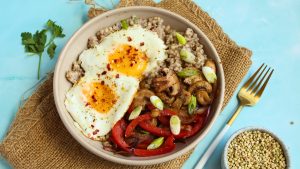
Buckwheat Nourish Bowl with Eggs and Vegetables
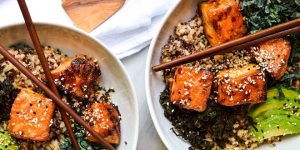
Brown Rice Sushi Bowl with Crispy Salmon
Easy Korean-Inspired Chicken Bibimbap with Brown Rice

Baked Fish Taco Bowl
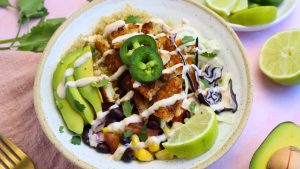
Quinoa Bean Burrito Bowl with Avocado Dressing
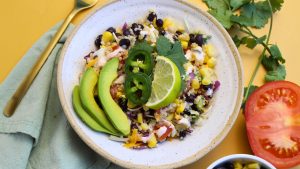
Marinated Tuna Poke Bowl with Quinoa
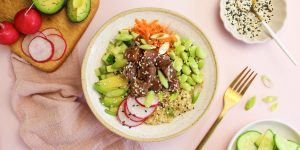
Grilled Tofu Quinoa Bowl with Lemon Tahini Dressing
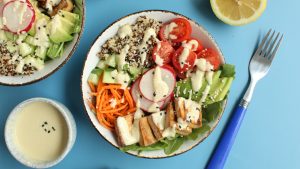
The Bottom Line
Diabetes-friendly nourish bowls are less about perfection and more about pattern. When meals consistently include fibre-rich vegetables, adequate protein, thoughtfully chosen carbohydrates, and healthy fats, blood sugars are more likely to stay within range.
Nourish bowls also support something equally important: enjoyment. Food that looks good, tastes good, and feels satisfying is far easier to sustain long-term—an essential part of living well with diabetes.
With a flexible formula and endless combinations, nourish bowls can be a practical, nourishing cornerstone of diabetes-friendly eating.For personalized guidance on diet and blood glucose management, speak to a Registered Dietitian.
For personalized guidance on diet and blood glucose management, speak to a Registered Dietitian.