

Simple Morning Choices That Help You Feel Better All Day
Breakfast can make a bigger difference to your blood sugar than many people realize. It’s often the first meal of the day—and one of the easiest to rush. For people living with diabetes, a few small changes in the morning can help reduce big swings in blood sugar, improve energy, and make it easier to get through the day without constant snacking. The goal isn’t a “perfect” breakfast. It’s a breakfast that works better for your body.
Here are seven easy, practical tips to help you build breakfasts that support steadier blood sugar—without giving up flavour or convenience.
1. Start with a protein food
Try to include a clear source of protein at breakfast. Protein helps slow how quickly your body absorbs carbohydrates and can reduce sharp blood sugar spikes after eating. It also helps you feel full for longer.
Good breakfast proteins include eggs, Greek yogurt, cottage cheese, tofu, nut butters, and protein-enriched milk or soy beverages. A simple way to plan your meal is to choose your protein first, then add the rest of your foods around it.
2. Add fibre from real foods
Fibre helps slow digestion and supports more stable blood sugar after meals. Many typical breakfast foods are low in fibre, especially highly processed cereals, white toast, or pastries.
Adding foods such as berries, vegetables, oats, chia seeds, flax, beans, or lentils increases fibre without making breakfast complicated. Even small additions—like seeds stirred into yogurt or vegetables added to eggs—can help.
3. Try not to eat “carbs only”
A breakfast made up of only carbohydrates—such as toast, cereal, muffins, or fruit on their own—usually causes blood sugar to rise quickly and then drop later in the morning. This can leave you feeling tired or hungry again soon after eating.
You do not need to avoid carbohydrates at breakfast. The key is to combine them with protein and fibre so your body processes them more slowly.
4. Choose less processed grains
Some grains raise blood sugar more gently than others. When possible, choose oats that are less processed (such as large-flake or steel-cut oats), whole-grain breads with visible grains, barley, or quinoa.
These foods still contain carbohydrates, but they tend to digest more slowly than refined or finely milled products. Portion size still matters, but the type of grain you choose can make a difference.
5. Include a little healthy fat
Healthy fats can help you feel more satisfied and may help slow digestion. You only need a small amount. Examples include nuts, seeds, avocado, olive oil, or natural nut butters.
Adding fat does not mean making breakfast heavy. A spoonful of seeds, a few nuts, or some avocado on toast is often enough to support fullness and steadier energy.
6. Be careful with “healthy” breakfast foods
Many foods marketed as healthy—such as flavoured yogurts, granola, breakfast bars, and smoothies—contain more added sugar than people expect. These hidden sugars can cause larger rises in blood sugar, especially when eaten on their own.
Choosing plain yogurt, unsweetened milk alternatives, and lightly sweetened toppings can greatly improve your breakfast without changing what you normally eat.
7. Use your own blood sugar results to guide you
Everyone responds differently to the same foods. Checking your blood sugar after breakfast can help you see which meals keep your levels steadier and which ones cause bigger rises.
Two breakfasts with similar carbohydrate amounts can affect your body very differently depending on how much protein, fibre, and fat they contain. Your own readings are one of the most useful tools for personalizing your choices.
Easy breakfast ideas that support steadier blood sugar
These are simple meal ideas you can use for a recipe collection or weekly planning.
Frozen Berry Yogurt Parfait

One-Pot Apple Cinnamon Breakfast Oatmeal

Baked Spinach and Mushrooms Egg Cups

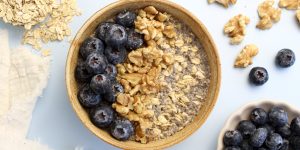
Easy Overnight Oats with Chia Seed
Cottage Cheese Scrambled Eggs

Stovetop Tex Mex Tofu Scramble

Breakfast Burrito with Spinach & Salsa

The takeaway
A blood sugar–steady breakfast does not require special products or strict rules. Focus on a simple structure: include a protein food, add fibre from whole foods, keep portions of refined carbohydrates modest, and include a small amount of healthy fat. For many people living with diabetes, improving breakfast is one of the easiest and most effective ways to support better blood sugar and more consistent energy throughout the day.
For personalized guidance on diet and blood glucose management, speak to a Registered Dietitian.



Comments